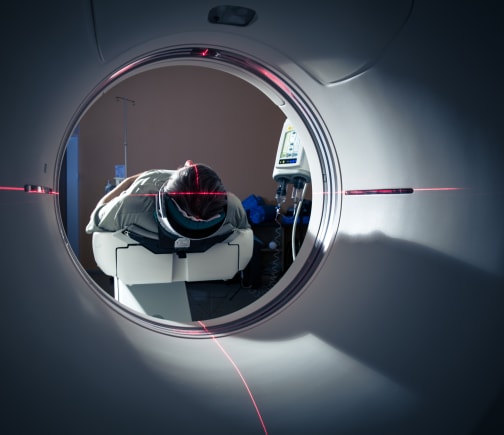
CT Angiogram

A CT coronary angiogram gives you a detailed view of your heart's blood vessels. It can identify vascular problems that may be missed by standard scans. By spotting issues early, you can prevent them from becoming more serious.

  • No referral needed
  • No waiting lists
  • Expert clinician guidance included
  • Fast results to help you move forward
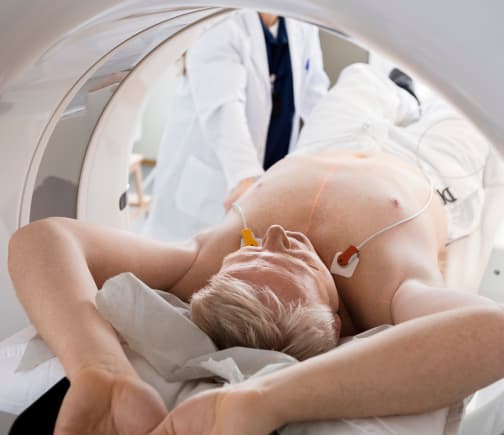
a man getting a ct scan of his heart with electrodes and wires on his chest

Not sure what you need?

Book a consultation with our expert clinicians for help. They're here to guide you through which scan to choose.

Not sure which scan you need?

What is a CT coronary angiogram?

A CT coronary angiogram uses computed tomography (CT) technology to create detailed, three-dimensional images of the heart's blood vessels, providing a comprehensive picture of your coronary artery health. It is a more advanced and less invasive procedure than a standard coronary angiogram, because it only requires a contrast injection, rather than a more invasive catheter.

Your heart. Your health.

Why choose Scan.com?

Book with us, and you're free to choose from over 250 high-quality imaging centres, book a scan in minutes, and get your results in days. Why wait, when you don't have to?

  • No waiting lists

    The sooner you know, the quicker you can take action. That's why we fast-track your scan with no waiting lists.

  • No referral needed

    We handle everything, with a team of expert in-house clinicians.

  • Rated 'Excellent' on TrustPilot

    We're trusted by tens of thousands of patients every year, and they've ranked us 4.6 out of 5 stars.

Who needs a coronary angiogram?

Angiograms are common procedures in patients with symptoms that may be related to the heart. However, problems with blood vessels in your heart can be serious and can even lead to life-threatening conditions.

Your doctor may recommend that you have an angiogram if:

  • You have signs of coronary heart disease, such as chest pain (angina) or shortness of breath 
  • The results of other tests, such as an electrocardiogram (ECG), suggest you might have coronary heart disease
  • You’ve had a heart attack, and doctors want a closer look at your heart to see if there are any blockages
  • You have high-risk factors for developing coronary heart disease (for example, if you smoke or have high cholesterol) and your doctor wants to assess your heart health.
  • You’re due to have surgery, and your doctor wants to take a closer look at the heart before the procedure.

What can a CT angiogram diagnose?

Your doctor may refer you for a CT angiogram that uses a contrast agent, if they want to take a closer look at your heart and major blood vessels. 

They may suggest it if you have symptoms, such as chest pain or shortness of breath, or if your medical history or family history suggests you could be at a higher risk of developing heart disease. 

Here are just some of the problems this type of computerised tomography scan can diagnose:

  • Coronary artery disease - one of the most common reasons for having a CT coronary angiography. It shows whether fatty deposits are narrowing the arteries that supply blood to your heart muscle. 

  • Aneurysms - weak spots in your blood vessels that can bulge and sometimes rupture.

  • Pulmonary embolisms -  blood clots which can block the arteries in the lungs.

  • Arterial blockages - fatty deposits which build up in the arteries, restricting the flow of oxygen-rich blood to your heart and other organs.

  • Congenital heart defects - problems with the heart chambers or surrounding blood vessels that have been present from birth.

  • Aortic dissection - a tear in the wall of the aorta, your body’s largest artery.

  • Carotid artery disease - narrowing in the neck arteries that supply blood to the brain.

  • Peripheral artery disease - narrowing in the leg arteries, which can make walking painful or difficult.

  • Stroke risk assessment - by checking whether arteries in your brain or neck are narrowed.

  • Heart valve abnormalities - seeing how valves open and close inside your heart.

  • Pulmonary artery abnormalities - changes to the blood vessels that supply the lungs. 

  • Venous thrombosis - blood clots in the veins, often in the legs.

  • Tumours affecting blood vessels - growths that press on arteries or veins

  • Vascular malformations - abnormal connections between your veins and arteries.

  • Pulmonary hypertension - high blood pressure in the lungs’ arteries.

What are the benefits of a CT angiogram?

A CT angiogram offers several advantages, including:

  • It’s quick, painless and non-invasive.
  • It can spot heart and blood vessel problems early on.
  • Results are very detailed and much clearer than other tests.
  • It helps your medical team create a tailored treatment plan if they find a problem.
  • It gives a broad overview of not just your arteries, but also the heart muscle, chambers and surrounding blood vessels.

How should I prepare for a CT angiogram?

You may be asked to:

  • Avoid eating for around two to four hours before the scan (though water is usually fine).
  • Have some blood tests to check your kidney function, since the dye is processed through your kidneys.
  • Bring a referral letter from your GP or specialist, if you have one.

If you are taking any medication, continue taking it unless your doctor advises otherwise.

Always let your team know about allergies or if you’re pregnant or breastfeeding.

How does a CT angiogram scan work?

Unlike an MRI scanner, which uses magnets, a heart CT scanner uses X-rays to rapidly create hundreds of cross-sectional images of your heart and blood vessels, combining them to build up a 3D picture.

You’ll lie on a motorised table that slides into the CT scanner. The machine, shaped like a large doughnut, rotates around your chest, taking images from different angles. You might also have ECG electrodes attached to your chest so the pictures can be timed with your heartbeat.

Staff carrying out the scan will insert a thin flexible tube called a cannula into a vein in your groin or wrist. They’ll then inject the contrast agent. This special dye moves through your bloodstream, helping your blood vessels appear much more clearly on the images and improving picture quality.

How much does a CT Coronary Angiogram cost?

Private angiogram costs can vary depending on the provider and where you live in the UK, but you can expect to pay somewhere between £700 and £1,500 for the procedure.

CT coronary angiogram procedure: what to expect

Understanding what happens during a CT coronary angiogram can help you feel more prepared and at ease during the procedure. Here's what you can expect on the day:

  • You may be asked to change into a hospital gown ahead of the scan.

  • You may be given medication such as a beta blocker to slow your heart rate.

  • You may also be asked to hold one or two dissolvable glyceryl trinitrate tablets under your tongue. These help widen the arteries and offer a clearer picture of blockages.

  • You may feel a slight headache or become dizzy for a little while.

  • A cannula will be inserted into a vein in your arm to administer the contrast dye. 

  • A technician will attach electrodes to your chest to monitor your heart’s electrical activity. If you have a hairy chest, staff may need to shave the areas where the electrodes attach.

  • You’ll lie on a table that slides into the CT scanner. 

  • Your technician will ask you to hold your breath for short periods to ensure the images are clear.


Side effects and risks

While experts consider angiograms to be generally safe, some risks and side effects can happen during and after an angiogram. 

  • Allergic reaction to contrast dye - The contrast material used in CT scans and X-rays contains iodine, which can sometimes cause mild allergic reactions during the injection. Symptoms may include itching, wheezing, or nausea, usually resolving within five to ten minutes after the injection.

  • Radiation - During a CT coronary angiogram, there will be some radiation exposure. However, the amount of radiation you receive is kept to a minimum to ensure your safety. The overall risk associated with radiation exposure is low, and the benefits of having detailed images of your heart outweigh any risk of radiation exposure.

  • After angiogram complications - Rarely, more serious complications can occur, such as bleeding, infection at the insertion site, or damage to the blood vessels. Blood clots or a hematoma (a collection of blood outside a blood vessel) may also develop, which need medical attention.

  • Pain after angiogram in arm (or groin) - The most common side effect is pain or bruising where the catheter or contrast IV was inserted, which usually goes away after a couple of days.

  • Angiogram age limit and risk to elderly - While there is no age limit, elderly patients may face higher risks due to underlying health conditions such as diabetes, kidney disease, or advanced heart disease. Older adults may also have a longer recovery time and a slightly higher risk of complications like stroke or heart attack during the procedure.


What happens after a CT angiogram scan?

After the scan, your technician will remove your cannula and monitor you for a short time to make sure that you’re feeling well and haven’t had any adverse reactions to the contrast dye.

Once the procedure is complete, you can go home, but drinking plenty of fluids is essential to help flush the dye from your system. You can remove the gauze dressing from your arm after about an hour.

When will I get my results?

A specialist doctor who interprets imaging results (consultant radiologist) will carefully study the images and write a report.

This is then shared with your doctor or cardiologist, who will go through the results with you. They’ll explain whether anything was found and what it means for your treatment or next steps.

Why use Scan.com to book a private CT angiogram?

Booking a private CT angiogram through Scan.com is simple and fast. You don’t always need a GP referral — our team can arrange one for you. We’ll match you with a local imaging centre, provide clear instructions on how to prepare, and ensure your results are reviewed by a specialist. With Scan.com, you get:

  • Fast access to scans without long waits.

  • Trusted, high-quality clinics and experienced staff. 

  • A clear diagnosis and treatment plan, tailored to your specific medical needs.

Whether you need a cardiac CT scan, a CT coronary angiography, or another specialist test, Scan.com makes it easier to take control of your heart health.

How can I make sure a private CT angiogram is right for me?

At Scan.com, we provide CT and MRI angiography tailored to your specific health needs. If you're considering a CT angiogram heart scan, this advanced imaging technique offers detailed views of your heart's blood vessels, helping your clinician identify potential issues.

We understand that choosing the right type of angiogram or heart scan can feel overwhelming. Please contact us if you're uncertain which option is best for you. Our expert team of clinicians are available for one-to-one consultations to help you understand your options, with no obligation to book a scan afterwards. Schedule your consultation today to make sure you’re putting your heart health first.

Not sure what you need?

Book a consultation with our expert clinicians for help. They're here to guide you through which scan to choose.

Not sure what scan you need?

Frequently Asked Questions

If you have any questions about booking a scan with us, visit our FAQ guide.

Can't see an answer to your question? Our friendly patient care team are happy to help.

More FAQs

Is a CT angiogram painful?

No, it shouldn't be painful, but certain parts of the procedure can feel uncomfortable. 

During a CT coronary angiogram scan, you may feel a bit warm, experience a metallic taste, or feel as if you need to urinate - these are common side effects of the contrast dye. 

If a catheter is inserted into your wrist or groin as part of a traditional angiogram procedure, you may feel a pinch or slight sting when your technician applies the local anaesthetic. You may also experience mild pressure or discomfort as the catheter is threaded through the artery.

How long does a CT angiogram take?

The scanning process typically takes about 10 to 15 minutes, and the entire visit usually takes around 30 minutes, though it’s best to plan to be there for up to an hour.

What is the difference between a CT scan and a CT angiogram?

Doctors use standard CT scans to diagnose various health conditions and injuries, including identifying tumours, infections, bone fractures, and other abnormalities in many different parts of the body. A CT angiogram is specifically designed to look at blood vessels and how blood flows through them. Doctors use CT angiograms to identify blockages, aneurysms, or other vascular issues in areas such as the coronary arteries, brain, lungs, and legs. They also add the step of injecting a contrast dye, which helps them to see your blood vessels in more detail. You may hear different terms clinicians or technicians use, such as angiography vs angiogram, which can be confusing. Put simply, though, angiography is a general term that refers to the imaging of blood vessels using contrast dye. The images can be taken in different ways, such as by X-ray, CT scan, or MRI. Angiogram refers to the actual image or series of images produced by angiography.

How long does it take for an artery to heal after a CT angiogram?

It usually only takes a few days to a week.

What can you not do after a CT angiogram?

During your angiogram recovery time, avoid strenuous activities and any heavy lifting. If you experience any unusual symptoms, such as increased pain, swelling, or signs of infection at the insertion site, it’s important to contact your clinician straight away.

What is a standard coronary angiogram?

A coronary angiogram is an imaging test used to examine the heart's blood vessels. The procedure is often called a cardiac angiogram or heart angiogram. It involves inserting a catheter, typically through an artery in your groin or wrist, which is then threaded up to the coronary arteries. Contrast dye is injected and X-ray images are taken to show the blood flow and detect any blockages or narrowing in the arteries.