CT Calcium Score
A fast, non-invasive scan that detects calcium in your arteries, a key early sign of heart disease.
You don’t have to wait until something feels wrong to check your heart. Whether you’ve noticed changes, have a family history, or just want peace of mind, you can get answers with our range of heart scans.
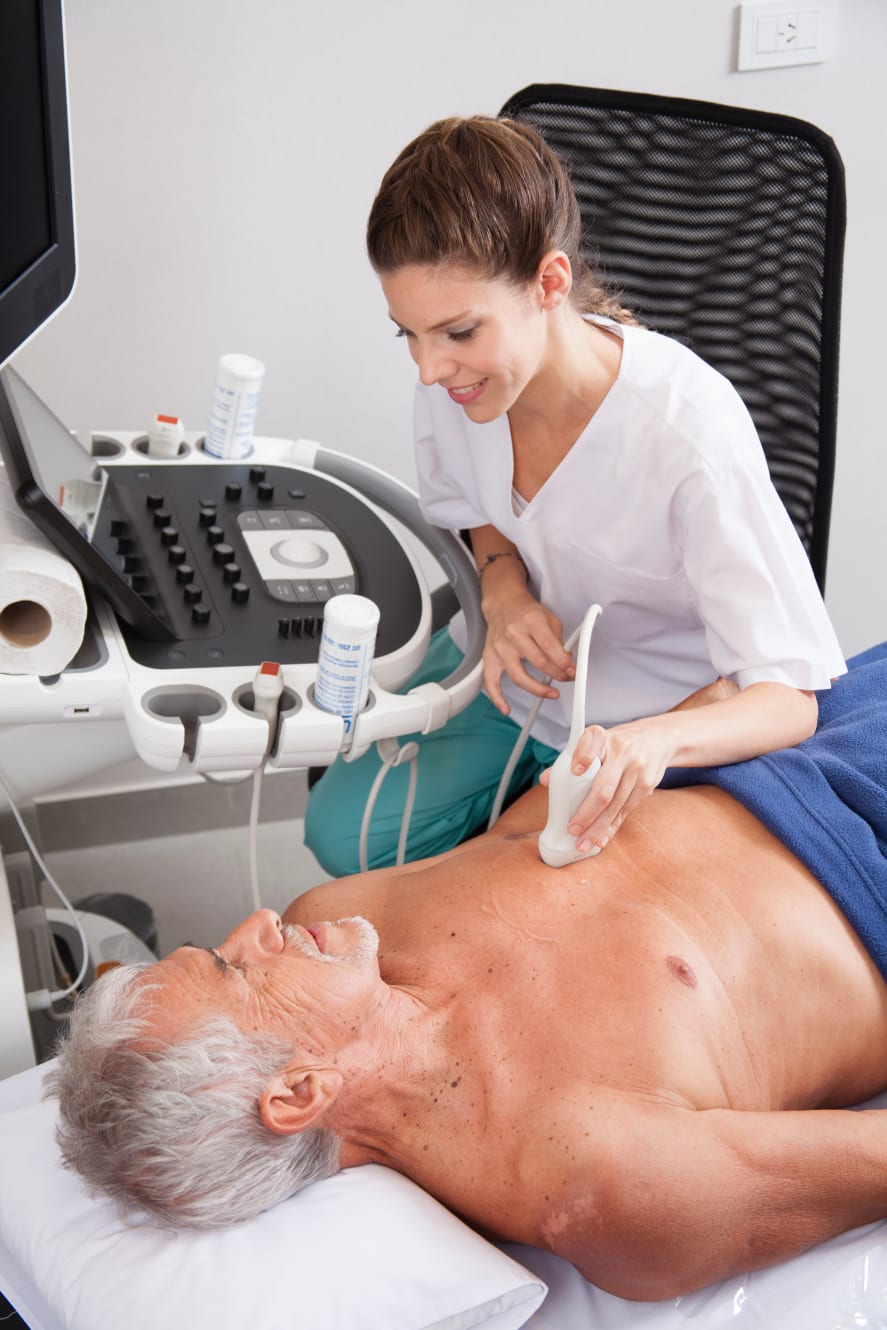
We offer a range of heart and cardiovascular scans tailored to different concerns.
A fast, non-invasive scan that detects calcium in your arteries, a key early sign of heart disease.
An ultrasound to assess how your heart muscle and valves are working in real time.
Assesses how your heart performs under pressure, by scanning your heart after taking a stimulant called Adenosine.
A clear picture of your coronary arteries to spot narrowing or blockages and prevent cardiac events.

Start 2026 with complete confidence in your heart health, or clarity about how you can improve it.
Getting a cardiac check can feel daunting, but it's a simple and effective way to get answers and move forward. We've made it easier than ever to compare options, get advice from clinicians on which scan to choose, and book online in minutes. Plus, with results in just a matter of days, your unknowns will be answered at record speed.
Book a no-obligation phone consultation with our clinicians, who can help you choose the right scan and get referred quickly.
Book a consultationIt depends on your symptoms, health history, and what you're looking to check.
MRI stress test: Ideal for chest pain, breathlessness, or family history of heart disease. Shows how your heart works under stress.
CT calcium score: Quick check for calcium in your arteries. Good for understanding heart disease risk if you're over 40.
Echocardiogram: First-line scan to check heart function and valves. Often used for shortness of breath or irregular heartbeat.
Cardiac MRI (resting): Offers detailed images of your heart structure. Useful for muscle issues or damage from past conditions.
CT coronary angiogram: Looks for narrowed or blocked arteries. Often follows abnormal test results or ongoing symptoms.
Not sure where to start? Book a quick consultation and we’ll help you decide.
Yes. Most cardiac scans are non-invasive and low risk. MRI and ultrasound scans don’t use radiation, and CT scans use a low dose that’s carefully controlled.
If a contrast dye or stress agent is used, it’s typically safe and well-tolerated, and you’ll be monitored throughout.
Your scan team will also check your medical history to make sure it’s right for you. Our cardiac scanning sites are experts at what they do, and are there to prioritise your safety throughout your scan procedure.
Heart scans can reveal how your heart looks and functions, as well as how blood flows through it. This helps detect problems early, even before symptoms appear.
They can show:
Blocked or narrowed arteries
Heart muscle damage or inflammation
Valve problems
Blood flow and oxygen levels
Signs of past heart attacks
Enlarged or thickened heart walls
Fluid build-up or structural abnormalities
The right scan can give you and your doctor a clearer picture of your heart health and what to do next.
We're here to help
Our company is owned and run by clinicians, and our in-house team are here to help you get answers.

Dr. Khalid Latief
BMSc, MBChB, FRCP, FRCR

Dr. Lizzie Tuckey

Jasper Nissim
D.O.